

Protecting Your Home When the Power Goes Out
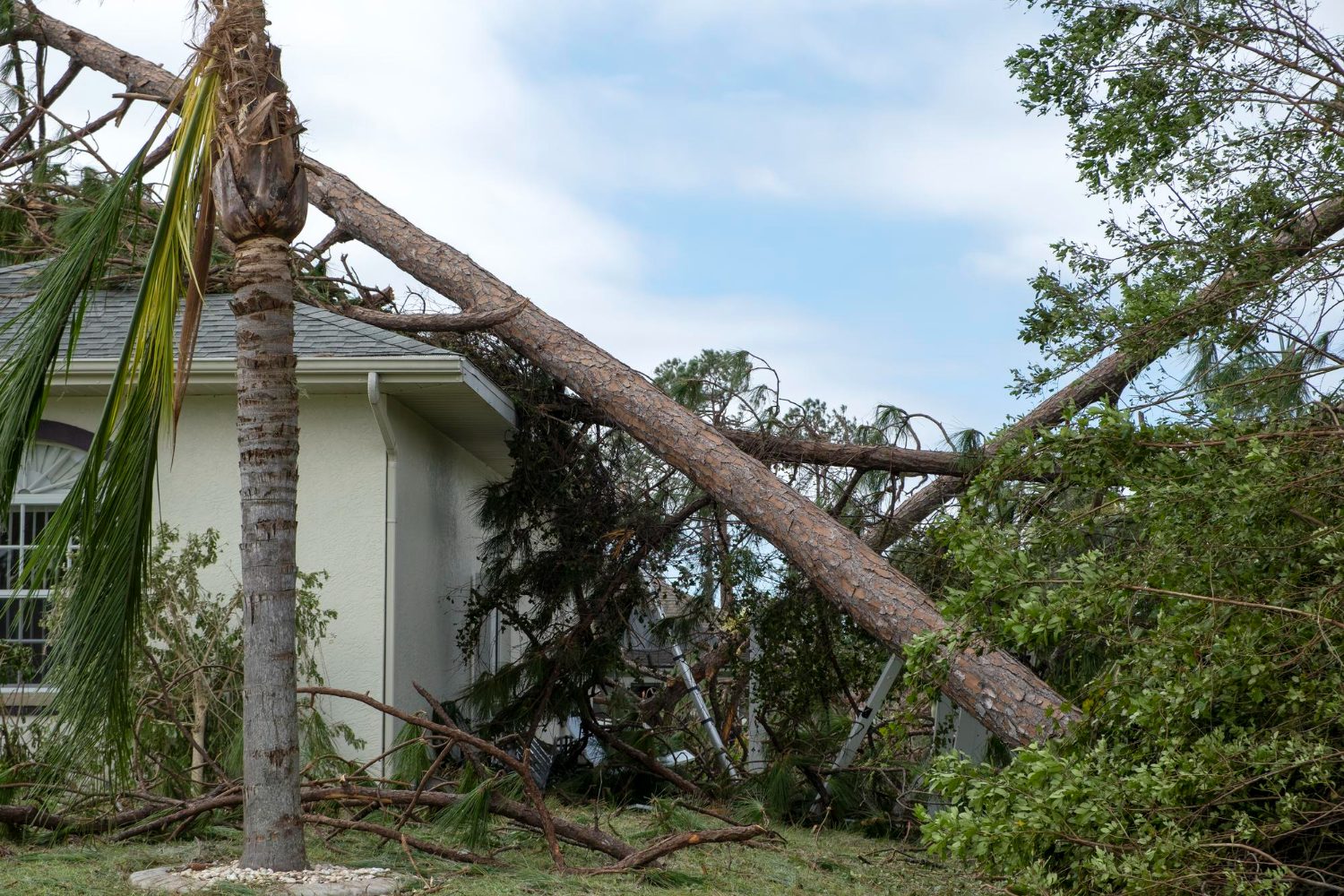
Hurricane season along the Gulf Coast brings more than heavy rain and strong wind. For many Texas neighborhoods, it also means long power outages, spotty cell service, and dark streets that can invite trouble. When the grid fails, your family still needs security, fire protection, and a way to get help fast.
Older alarms and basic battery-powered devices were not built for today’s homes filled with smart locks, cameras, and connected workspaces. When power drops, a modern home needs a smarter plan. That is where an energy-efficient home security automation system comes in, designed to stay working, manage power carefully, and support emergency response even when the lights are out. Our team focuses on systems built for the real storm conditions we see across Texas and Texas.
Hurricane Risks for Texas Homes
When a hurricane hits, the first thing many people think about is wind. But there are several threats happening at the same time.
Common storm-related dangers include:
- Roof and window damage from high wind and flying debris
- Flooding from heavy rain and storm surge
- Downed power lines that cut power and create fire risk
- Blocked streets that slow first responders
Once the neighborhood goes dark, new problems start. Some homeowners leave town. Others stay but lose internet, power, and cell coverage off and on. That can lead to:
- Looting in dark, quiet streets
- Break-in attempts on homes that look empty
- Fires from candles or unsafe generator use
Older alarm systems struggle in this kind of storm. Many are built around landlines or local internet. Their backup batteries may only last a short time. If the cell module is missing or outdated, they may not send any signals once local lines fail.
This is why more families are looking for energy-efficient home security automation that can handle storms. The goal is a system that can:
- Manage limited power so the most important devices stay on
- Keep a connection to monitoring as long as possible
- Support both security and life safety during long outages
Building Reliable Backup Power
A strong storm plan starts with power. Security, fire, and automation equipment cannot do much if they shut down in the first few hours of an outage.
Integrated backup power planning usually includes:
- Dedicated batteries for the main security panel
- Backup for the network equipment that supports your system
- Uninterruptible power supply (UPS) units for key devices
- Optional solar plus battery storage for longer outages
Not every device needs to stay on. In fact, that is how you save energy and stretch backup time. A smart, energy-focused setup will keep things like:
- Cameras in key locations
- Smart door locks on main entry points
- Smoke, heat, and flood sensors
- Cellular or dual-path communication equipment
At the same time, it can shut down or limit less important devices until power returns. Some homes also pair their system with a whole-home generator or solar. Those options help keep big loads like refrigerators and AC going, while smart automation helps direct power to security and life safety first.
Good backup power is not just about plugging in a battery. The wiring, load planning, and surge protection all matter, especially with repeated storms each year. That is why it is so important to have licensed professionals design and install these systems before the next hurricane spins up in the Gulf.
Offline-Mode Automation When Networks Fail
Many smart devices rely on the cloud. When internet or cell signals go down, they can lose most of their brains. A better storm-ready system can run many important routines locally, even if outside connections are lost for a while.
Offline-ready automations can still:
- Auto-lock exterior doors at set times
- Trigger local sirens if a door or window is forced open
- Turn on certain inside and outside lights to make a home look lived in
- Record camera footage to local storage so you have proof later
Energy-efficient home security automation can also stretch backup power during a long outage. Smart rules can:
- Dim lights to lower levels that still feel safe
- Adjust smart thermostats to reduce energy use while staying comfortable enough
- Stagger how often certain devices wake up and check in
- Pause noncritical gadgets that drain batteries for no good reason
A powerful tool in hurricane season is a pre-built “Storm Ready” scene. Before the outer bands hit, you can tap one button and:
- Lock all smart locks
- Close the garage door
- Turn on key perimeter lights
- Set cameras to a higher recording level
- Shift into a power-saving mode for long-term backup
This kind of planning keeps you focused on your family and your plan, not on toggling a dozen apps in a rush.
Emergency Monitoring and Faster Response
When a big storm hits, help can take longer to arrive. That is why professional monitoring still matters, even in the age of smartphones and DIY gadgets.
Professional monitoring centers are built to stay open through outages. They rely on:
- Backup power and generators
- Redundant systems in different locations
- Multiple communication paths
For your home, cellular or dual-path communication helps keep signals moving even if local phone or cable lines fail. When your security or fire system sends an alert, the monitoring team can:
- Respond to smoke, heat, and carbon monoxide alarms
- Watch for flood or sump pump alerts
- Handle panic or medical emergency signals
During hurricane season, there are extra details to think through. Phone lines may be unreliable, so your system and account should include:
- Updated emergency contact lists
- Secondary contacts who live outside the immediate area
- Clear notes on medical needs or special access information
This planning helps monitoring teams work better with first responders, especially when departments are stretched across many calls at once.
Getting Your Smart Home Ready Before Hurricane Season
Late spring is the right time to prepare, before the first named storm appears on the news. A simple pre-season check can make a big difference.
Helpful steps include:
- Testing all security and fire system batteries
- Confirming that cellular backup is active and strong
- Updating emergency contact numbers and email addresses
- Reviewing automation scenes like “Evacuate” and “Shelter in Place”
Many homeowners also schedule an annual system health check with trained technicians. During that visit, it is smart to inspect:
- Door and window sensors
- Cameras and their power sources
- Surge protection and backup power devices
- Any connected smoke, heat, or flood sensors
It also helps to walk through real-life “what if” situations. Ask yourself:
- What happens if the power fails in the middle of the night?
- How does the system respond if we have to leave quickly?
- If we are out of town, will we still get important alerts?
When you know your energy-efficient home security automation system has been planned around these questions, it lowers stress. You are more ready to make good choices, whether that means staying put for a short storm or evacuating before a major landfall.
Secure Your Home with a Hurricane-Ready System
Storms along the Gulf Coast are a part of life, but feeling helpless does not have to be. With the right backup power, offline-capable automation, and always-on monitoring, your home can stay protected during long outages and shifting weather.
At Electronic Protection Systems, we design and install smart security, fire, and automation systems for homes and businesses across Texas and Texas, with options that include $0 down and professional monitoring. Our team focuses on integrated electronic protection, from cameras and access control to smart locks and home automation, built for the real hurricane conditions our communities face each year.
Get Started With Your Project Today
Transform your house into a smarter, safer space with our customized energy-efficient home security automation solutions. At Electronic Protection Systems, we design systems that reduce wasted energy while keeping your family protected around the clock. If you are ready to explore the right setup for your home, reach out and let us walk you through your options or contact us to schedule a consultation.