

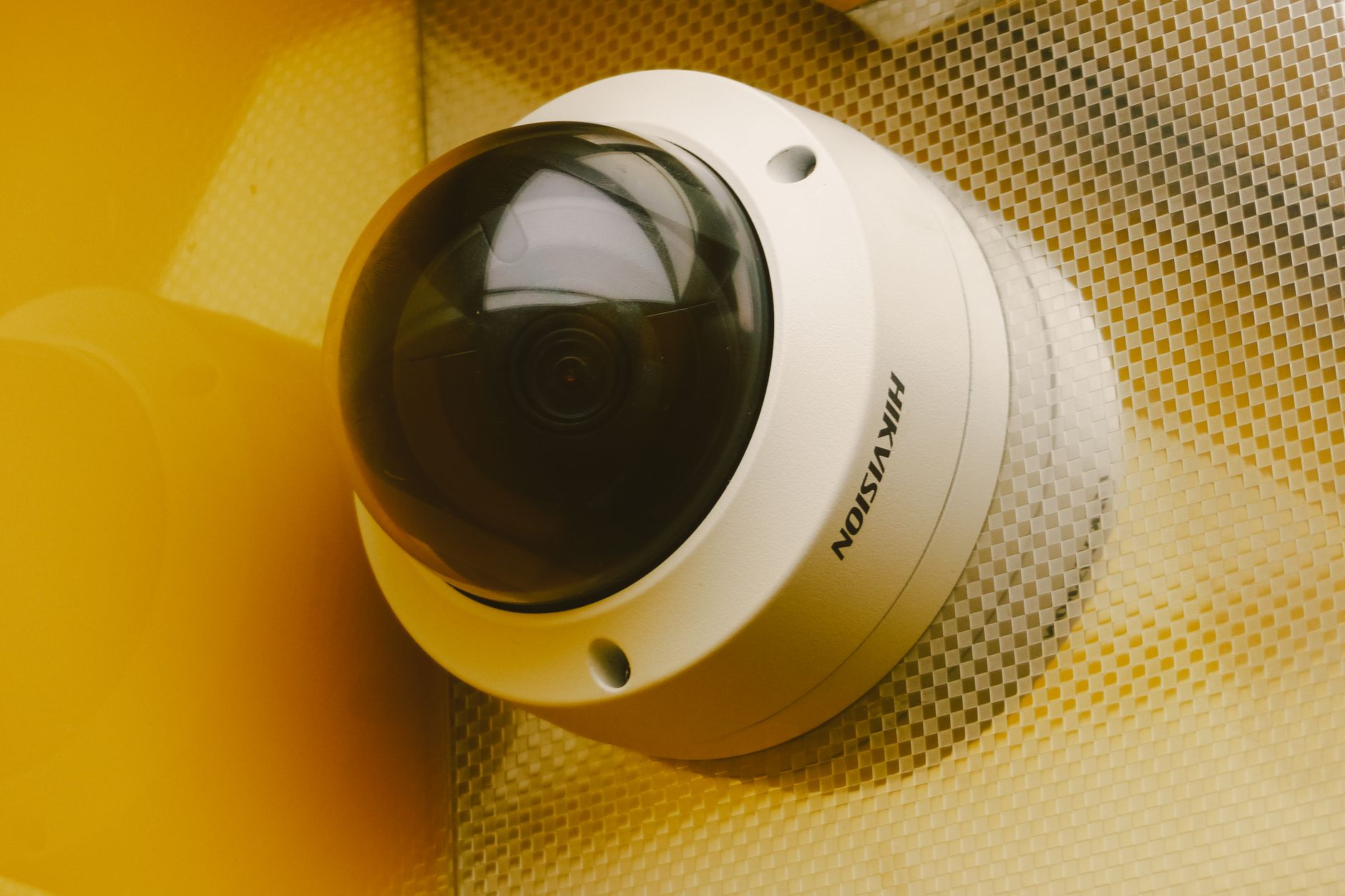
Electronic security is any system that uses electronic sensors, cameras, and monitoring to detect and deter intrusion, fire, or unauthorized access — and in Lafayette, LA, a professionally monitored setup typically runs $25–$60 per month plus equipment, with entry-level packages installable for $0 down through financing. This guide explains exactly how electronic security works, what it costs, what to look for, and how local providers differ, so you can choose the right system without guessing.
What Is Electronic Security and How Does It Work?
Electronic security is a networked collection of devices that sense a threat and trigger a response. A typical residential system in Lafayette combines a control panel, door and window contacts, motion detectors, cameras, and a communication path (cellular, Wi-Fi, or both) back to a monitoring center.
When a sensor trips, the panel signals a professional monitoring station that verifies the event and dispatches police, fire, or EMS. Modern platforms like Alarm.com add smartphone control, so you arm, disarm, and view live video from anywhere.
Core components
- Control panel — the brain (e.g., Qolsys IQ Panel)
- Entry sensors — magnetic contacts on doors and windows
- Motion detectors — infrared sensors for interior coverage
- Cameras — hardwired or wireless surveillance
- Communicator — cellular backup so cut phone lines don’t disable the system
Electronic security replaces the old “loud siren only” model with verified, monitored response. That verification step is what separates a genuine alarm system from a noisemaker, and it’s the reason professionally monitored electronic security dramatically reduces false-dispatch fines and missed break-ins.
How Much Does Electronic Security Cost in Lafayette, LA?
Electronic security in Lafayette generally breaks into two costs: equipment and monitoring. Equipment for a basic package (panel, three door sensors, one motion, one camera) runs $300–$1,200, while professional 24/7 monitoring runs $25–$60 per month depending on features.
Typical cost tiers
- Basic intrusion — panel + sensors, ~$25–$35/month monitoring
- Intrusion + video — adds cameras and cloud clips, ~$40–$50/month
- Full smart home — locks, thermostat, garage, video doorbell, ~$50–$60/month
Many local providers offer $0 down financing, spreading equipment cost across monthly payments. According to the Electronic Security Association, professionally installed and monitored systems consistently outperform DIY kits on reliability and insurance recognition. Speaking of insurance — many carriers discount premiums 5–20% for a monitored system, which offsets a meaningful share of the monthly cost over time.
What Is Included in a Professional Electronic Security System?
A professional electronic security package includes the hardware, installation, activation, and 24/7 monitoring — not just a box of parts. The installer maps your property, places sensors at real entry points, and tests every device against the monitoring center before leaving.
What you should expect
- On-site assessment of vulnerable doors, windows, and blind spots
- Hardwired or wireless installation by trained technicians
- Panel programming and user code setup
- 24/7 professional monitoring with verified dispatch
- Mobile app configuration for remote control
- Ongoing support for adds, moves, and troubleshooting
The difference between a good and a mediocre install is placement and testing. A motion sensor aimed at a sunny window causes false alarms; a door contact with a wide gap misses openings. Professional electronic security means those details are handled, and the whole system is documented so any technician can service it later.
Do You Need a Contract for Electronic Security Monitoring?
No — you no longer need a long-term contract to get professionally monitored electronic security. While national chains still push 36-month agreements, many local Louisiana and Texas providers now offer month-to-month and no-contract monitoring, so you keep service only as long as it serves you.
Why flexibility matters
- No early-termination penalties if you move or change providers
- Easier switching if service quality drops
- Lower commitment while you evaluate a new provider
Contract-free monitoring shifts the pressure onto the provider to earn your business every month, which tends to mean faster support and honest pricing. The trade-off: some no-contract plans finance equipment separately, so read whether you’re committing to hardware payments even if monitoring is month-to-month. Ask directly who owns the equipment at the end — that single question exposes the real terms behind any “no contract” claim.
Residential vs Commercial Electronic Security
Residential and commercial electronic security share core technology but differ in scale, access control, and compliance. Homes prioritize intrusion, video doorbells, and smart automation; businesses add access control, employee credentials, and fire-code integration.
Residential focus
- Door/window sensors, motion, and interior cameras
- Smart locks, garage automation, and video doorbells
- Environmental sensors (smoke, CO, water leak)
Commercial focus
- Access control — keycards, fobs, and door schedules
- Video surveillance — multi-camera, higher-retention recording
- Fire alarm systems meeting local code and inspection
- Warehouse and office zoning for large footprints
Commercial electronic security often ties into the NFPA fire codes for alarm and life-safety requirements, which is why commercial installs demand permitted, inspected work. A small office might need one panel and four cameras; a warehouse may need dozens of cameras, badge readers on every door, and a monitored fire panel. Matching the system to the building — not overselling — is the mark of a competent provider.
Why Do Some Providers Rank Higher — and What Should You Compare?
Many Lafayette security providers rank well simply because their websites name the city and list plain services — not because their systems are better. When you’re comparing electronic security companies, look past the marketing and evaluate what actually protects you.
What to compare
- Monitoring type — professional 24/7 vs self-monitoring
- Response verification — do they confirm before dispatch?
- Equipment ownership — do you own it or lease it?
- Contract terms — no-contract vs 36-month lock-in
- Local presence — how fast can they service you?
- Coverage area — do they serve your exact market?
A provider that serves both Houston, TX and Lafayette, LA, offers 24/7 monitoring, no-contract options, and $0 down financing gives you flexibility that national chains and single-market shops can’t match. The right questions expose the difference: ask about response times, who owns the hardware, and whether they’ll take over an existing system. Real local providers answer those quickly and specifically.
Can You Reuse or Take Over Existing Security Equipment?
Yes — in many cases a new provider can take over your existing electronic security equipment without a full rip-and-replace. If your panel and sensors are from a common platform, a technician can often reprogram them to a new monitoring center, saving you hundreds in hardware.
When takeover works
- Equipment uses a supported panel (Qolsys, 2GIG, DSC, Honeywell)
- Devices are in working condition
- The system isn’t locked by a prior provider
When replacement makes sense
- Old proprietary panels no one else can service
- Outdated communicators (2G/3G already sunset)
- Wired-only systems you want to modernize with smart features
A takeover — sometimes called a “provider switch” — is one of the most cost-effective moves for a homeowner unhappy with a current alarm company. It lets you keep functional gear, drop a bad contract, and gain better monitoring. Always confirm compatibility before you cancel your current service, and get the new provider to test every device after the switch.
How to Choose a Local Electronic Security Provider
Choose an electronic security provider by weighing local response speed, monitoring quality, contract flexibility, and equipment ownership — in that order. Local matters because a technician 20 minutes away resolves issues a national call center can’t.
A simple selection checklist
1. Confirm 24/7 professional monitoring with verified dispatch
2. Ask about no-contract options and month-to-month pricing
3. Verify $0 down or financing so upfront cost isn’t a barrier
4. Check they own local install crews, not subcontractors
5. Confirm your address is in their service area
6. Ask about smart home integration if you want automation
Electronic Protection Systems is one provider offering professionally monitored electronic security across Houston, TX and Lafayette, LA, with 24/7 monitoring, no-contract options, and $0 down financing. Whichever company you choose, insist on written terms covering monitoring, equipment ownership, and cancellation — the honest providers put all three in plain language before you sign.