

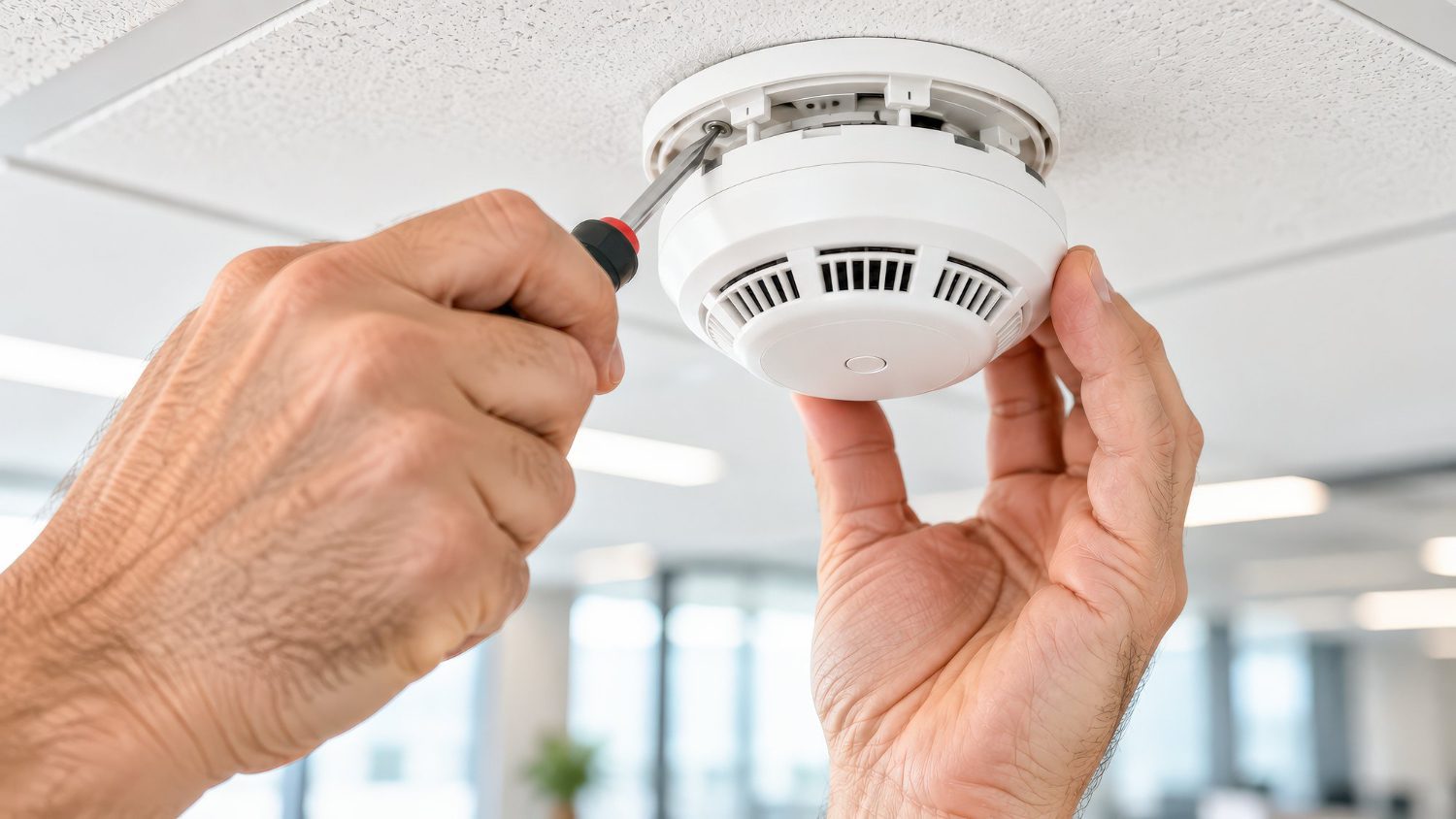
Lafayette Fire Alarm Inspections Made Simple
Commercial fire alarm systems only protect people if they work as designed and if you can prove they were tested. For facility managers in Lafayette, fall is a smart time to look over life safety systems before the busy holiday season, end-of-year audits, and policy renewals. More people in the building, more decorations, and more equipment in use all add up to higher fire risk.
Fire alarm systems in commercial buildings are guided by NFPA 72 along with Louisiana fire codes and local rules. These codes tell you what needs testing, how often it should be done, and what records you must keep. When there is an audit, insurance review, or an incident, clear documentation can make the difference between a smooth process and a stressful one.
In this guide, we walk through a practical, NFPA 72-aligned inspection and testing checklist designed for Lafayette facilities. We focus on what should be tested, how often, and exactly what you should see in your records so you are ready when your authority having jurisdiction, insurer, or corporate safety team asks for proof.
Know Your Local NFPA 72 Requirements
NFPA 72 is the main standard for fire alarm systems, but it does not stand alone. In Lafayette and nearby parishes, your requirements usually come from three places working together: NFPA 72 standards, Louisiana fire codes and building codes, and your local authority having jurisdiction (fire marshal, code official). The AHJ has the final say on what is acceptable in your building, and different occupancies, like offices, warehouses, schools, and healthcare facilities, can all have different rules or extra steps.
Typical inspection and testing frequencies often include:
- Weekly or monthly visual checks of panels, trouble lights, and general system condition
- Monthly testing of certain devices or features, as required
- Quarterly function tests of key components and communication paths
- Annual full system tests, where every device and circuit is verified
Your AHJ, insurer, or corporate safety program may ask for more frequent checks based on your risk level or past issues.
When it comes to documentation, most reviewers expect to see clear records that show exactly when testing happened, what was covered, what was found, and what was done about it. Specifically, records should include:
- Inspection and testing dates and times
- Scope of work, including which areas and devices were covered
- A device list or report that shows each device or circuit checked
- Any deficiencies found and how serious they are
- Corrective actions planned or completed
- Credentials for the contractor or technicians who did the work
If you cannot produce records that cover these points, it can raise questions about compliance, even if the system is working.
Device-Level Checklist for Fire Alarm Testing
A commercial fire alarm system is more than just pull stations and a beeping panel. As a facility manager, you should know what is being tested each visit and how it is being recorded.
Key components that should be on your contractor’s checklist include:
- Smoke detectors and heat detectors
- Manual pull stations
- Notification appliances, like horns, speakers, strobes, and chimes
- Fire alarm control panel and any remote annunciators
- Power supplies, including primary and backup power
- Batteries and charging circuits
- Communication paths to the monitoring center
Typical testing and inspection actions include:
- Cleaning and sensitivity checks for smoke detectors, as allowed by code and manufacturer
- Functional testing of pull stations so they activate the system and send signals correctly
- Audio and visual notification tests so horns, speakers, and strobes can be seen and heard in occupied areas
- Verification that the control panel displays correct alarms, troubles, and supervisory signals
- Testing of communication paths like phone lines, internet based paths, or radios to confirm monitoring is receiving signals
- Battery inspections for corrosion, proper voltage, and replacement dates
For each device or circuit, your documentation should at least show the device ID or a clear location (for example, “Office corridor, 2nd floor, outside restrooms”), the test type performed (alarm test, sensitivity check, visual inspection, etc.), and whether the device passed or failed. It should also include notes about any issues or unusual readings, along with technician initials or a digital signature and the date. If your report is missing locations, test types, or results, it is hard to prove that every part of your system was checked.
Documenting Deficiencies and Repairs the Right Way
Not every issue in a fire alarm system has the same impact. Part of good documentation is showing that you understand the difference between a serious impairment and a smaller issue.
Critical impairments can include:
- A disabled or failed fire alarm control panel
- A failed communication path to your monitoring center
- Large zones that are out of service
- Many devices offline in a key area, like an assembly space or high-risk room
Non-critical deficiencies can include things like:
- A single dirty detector that still works but needs cleaning
- A damaged horn cover where the device still functions
- Cosmetic issues that do not affect performance
When a deficiency is found, records should show:
- Date and time the issue was discovered
- Device, circuit, or zone affected
- Clear description of the problem
- Interim measures, such as a fire watch, extra patrols, or limiting occupancy in a space
- Target repair date or planned schedule for correction
When the repair is finished, your documentation should include:
- Date the repair was completed
- Parts or devices replaced or repaired
- Test results after the fix to show the system is back to normal
- Name of the vendor or staff member who performed the work
- Updated status that the system or zone is fully restored to service
These details help show that you did not just find problems, you also resolved them in a timely way.
Seasonal Fire Alarm Readiness for Fall and Winter
In Lafayette, fall does not bring snow or ice, but it does bring a busy calendar. There are festivals, holiday events, school activities, more visitors in buildings, and more cooking and decorating in commercial spaces. That seasonal shift can create new fire risks, such as:
- Added decorations that may block pull stations, panels, or strobes
- Temporary wiring for lights and displays
- More use of kitchen equipment in break rooms and event spaces
- Higher occupancy in meeting rooms, worship spaces, and event halls
To stay ahead of those changes, add a few fall-focused checks to your plan:
- Confirm that pull stations, fire alarm panels, and notification appliances are not blocked by decorations or furniture
- Test audible and visual notification in spaces that get loud or crowded during events
- Check occupant load signs and settings in assembly areas and confirm they match how you actually use the space
- Review any changes in building layout or use that might affect your fire alarm coverage
End of year is also a good time to organize your records so you are not scrambling during budgeting, renewals, or corporate audits. Before things get hectic, take time to:
- Gather inspection and testing reports from the entire year
- File service tickets and repair records with your main fire alarm paperwork
- Confirm you can quickly show proof of monitoring, alarm history, and impairments
When everything is in one place, you are ready when someone asks for documents on short notice.
Turn Your Checklist Into a Safer, Compliant Facility
A checklist only helps if it becomes part of a steady process. For commercial fire alarm systems, that means building a simple but consistent routine that keeps you on track all year.
You can start by:
- Creating a calendar of NFPA 72-aligned tasks with weekly, monthly, quarterly, and annual items
- Using standardized inspection forms so every technician records information the same way
- Keeping a central digital archive for reports, service records, and monitoring logs
With a clear process, you can spot patterns, like devices that fail again and again or areas that are hard to reach for testing, and then plan improvements. A local, licensed provider that understands Lafayette and regional AHJ expectations can also help you review your current reports, flag documentation gaps, and plan your next inspection before the peak of winter risk.
At Electronic Protection Systems, we focus on designing, installing, and monitoring smart security, fire, and automation systems for businesses and organizations across Louisiana and Texas. When you pair a strong commercial fire alarm system with clear, consistent documentation, you help protect people, property, and your day to day operations in a way that stands up to inspections, renewals, and real emergencies.
Get Started With Your Project Today
Protect your facility with Electronic Protection Systems and our proven expertise in design, installation, and monitoring of commercial fire alarm systems. We work with you to evaluate your building, meet code requirements, and create a solution tailored to your operations. If you are ready to discuss your project or schedule a consultation, contact us today.