

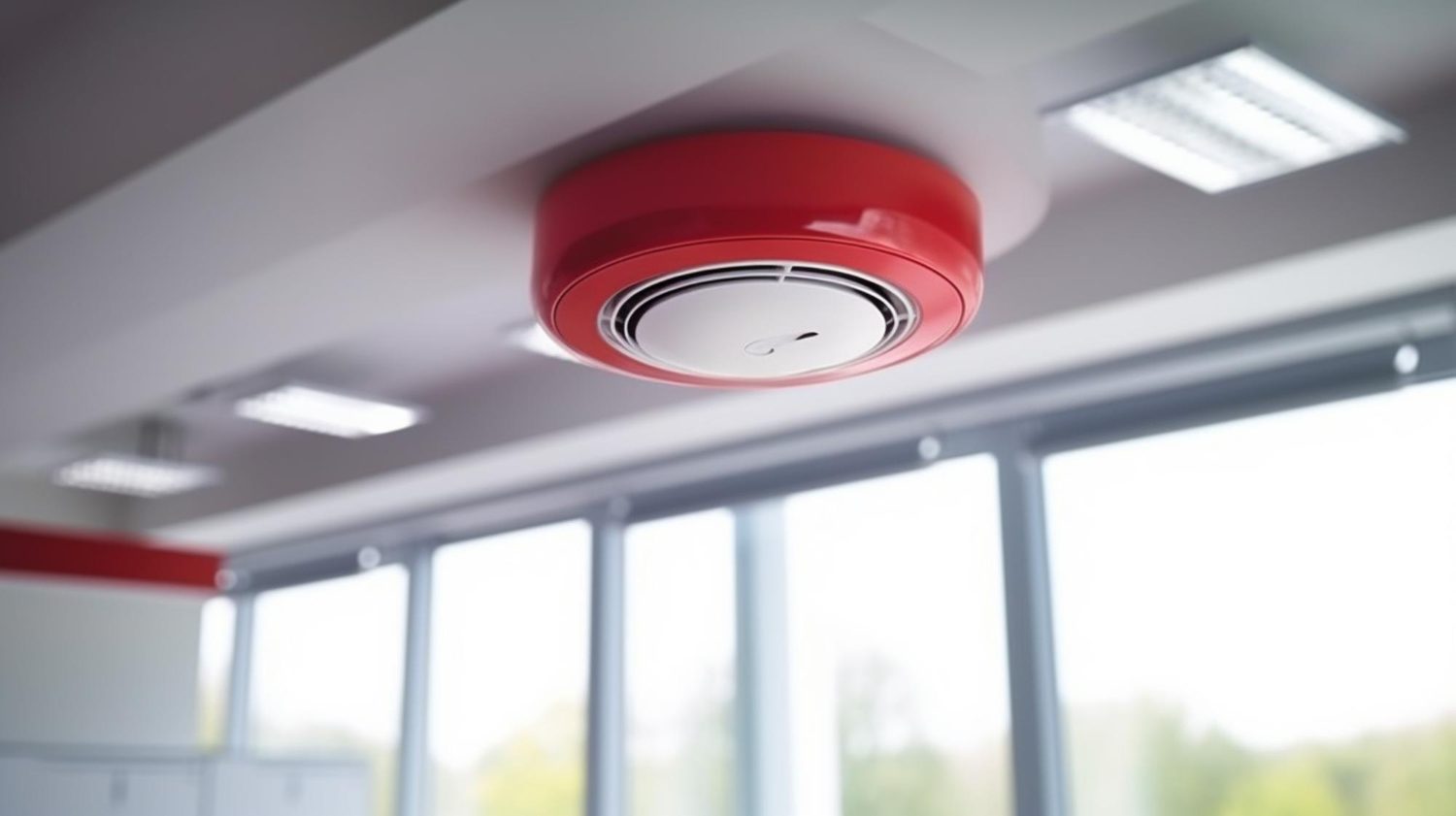
Protecting Lafayette Warehouses Before the Next Fire Season
Commercial fire alarm systems are one of the most important safety tools in any warehouse. When you work around high racks, busy forklifts, and large amounts of inventory, you cannot afford to guess about fire protection. A small spark in the wrong corner can shut down operations, damage customer trust, and create long days of cleanup and paperwork.
As we move into October, many Lafayette warehouses are planning for holiday inventory, extended hours, and tighter storage. The calendar gets busy, and it is easy to overlook fire risk from heating equipment, space heaters in offices, and electrical systems pushed harder than usual. Modern commercial fire alarm systems help catch problems early, limit damage, and support safer evacuations. Our goal here is to help operations managers, safety leaders, and warehouse owners review what they have now, see what might be missing, and get ready before year-end pressure hits.
Key Fire Risks in Lafayette Warehouse Operations
Warehouses in and around Lafayette deal with a mix of regional hazards and daily operations that raise fire risk. The heat and humidity do not just affect people; they also affect equipment and wiring over time.
Common local fire hazards in warehouses include things like:
- Aging electrical panels and wiring that have been added to many times
- Humidity and dust getting into devices and connections
- Combustible storage such as packaging, plastics, and boxes stacked high
- Chemicals, agriculture-related products, and flammable liquids stored on racks
- Seasonal space heaters or temporary equipment in offices or dock areas
On top of that, normal warehouse activity brings its own set of risks:
- Hot work like welding, cutting, or grinding in maintenance areas
- Battery charging stations for forklifts and pallet jacks
- Temporary holiday storage layouts that block exits or sprinkler heads
- Long unattended periods overnight or on weekends
A proper fire risk assessment looks at all of this, not just the building plans. It checks how the warehouse is actually used: where forklifts park, where people like to store extra pallets, and which corners tend to collect dust and debris. From there, the design of commercial fire alarm systems can match real-world conditions, not just theory. The right mix of detectors, notification devices, and control functions starts with understanding how your Lafayette warehouse really runs day to day.
Core Components of Modern Commercial Fire Alarm Systems
Commercial fire alarm systems are more than a few smoke detectors tied together. They are made up of several key pieces that all work as a team.
Most warehouse systems include:
- A fire alarm control panel, the “brain” that receives and sends signals
- Smoke and heat detectors spread through the building
- Manual pull stations near exits and key doors
- Notification devices like horns and strobes to alert people
- A monitoring connection that sends alarms to a professional central station
Warehouses also need to think about the type of system. Conventional systems group devices into zones. When a zone goes into alarm, you know the general area, but not the exact device. Addressable systems can show you the exact detector or pull station in alarm. For large floorplans, high racks, and multiple aisles, that can save time when you are trying to find the source of a problem or track down false alarms.
There are also advanced options that can make sense in bigger or more complex facilities:
- Gas detection for areas with fuel, chemicals, or certain production processes
- Beam smoke detectors for long, high-ceiling aisles where standard detectors struggle
- Voice evacuation systems that use clear spoken messages, helpful in noisy environments
- Integration with other systems, like fire suppression, HVAC shutdown, or access control to unlock doors and stop air flow during an event
When these elements are planned together, you get a fire alarm system that fits the warehouse instead of one that just meets the bare minimum.
Designing Fire Alarm Coverage for High-Bay Warehouses
High-bay warehouses are their own challenge. Tall ceilings, open racking, and dust from daily work can all affect how smoke and heat move in a fire. Hot air can rise and stay up near the roof while workers on the floor do not notice anything yet. That makes detector placement and type very important.
Some common design challenges include:
- Temperature layers near the ceiling that slow smoke detector response
- Dust and debris that can cause false alarms or clog detectors
- Open racks that block or redirect airflow
- Changing storage layouts that make once-clear zones harder to protect
A strong detection strategy might mix different devices and approaches, such as:
- Heat detectors in areas with higher normal dust or where smoke could be misleading
- Standard smoke detectors in offices, control rooms, and cleaner spaces
- Beam smoke detectors across long aisles or open spaces under high roofs
- Aspirating (air-sampling) systems in critical areas where very early warning matters
Warehouses around Lafayette also have to follow national codes, local authorities having jurisdiction, and Louisiana requirements. These rules help set the baseline for device spacing, locations, and performance. Because codes and real-world workflow can sometimes clash, it helps to work with a licensed designer who understands both. That way, the layout supports daily operations, forklift routes, and storage patterns without causing constant alarms or blind spots.
Evaluating Providers of Commercial Fire Alarm Systems
Choosing the right provider for commercial fire alarm systems is as important as choosing the right equipment. You are not just picking a product, you are picking a long-term partner for safety.
When you compare providers, it helps to consider:
- Experience with warehouses and industrial sites, not only small offices
- Familiarity with Lafayette and regional code officials and permit processes
- Proper licensing for design, installation, and monitoring
- Designers and technicians who understand high-bay storage and special hazards
End-to-end service can also make life easier. Many warehouses prefer a single team to handle design, permitting support, installation, programming, inspections, monitoring, and ongoing service. That way, when something changes in your layout or a device needs attention, there is one clear point of responsibility.
Cost and contracts are part of this picture, but they should not be the only factor. Pay attention to:
- What is covered under warranty and for how long
- Flexibility such as $0 down options
- Monitoring terms, including response expectations and support
- Service response times and how after-hours issues are handled
Looking beyond the lowest price helps you avoid surprises later, like extra fees for changes, poor support, or systems that are hard to expand as your warehouse grows.
Maximizing Safety with Monitoring, Testing, and Training
Even the best commercial fire alarm systems only help if they are watched, tested, and understood. That is where monitoring, maintenance, and staff training come in.
Professional 24/7 monitoring gives you:
- Faster emergency response when the building is empty
- Help during nights, weekends, and holiday shutdowns
- Documented alarm history that can support insurance and internal reviews
Regular testing, inspection, and upkeep are also key in warehouse environments. Dust, humidity, and forklift traffic are tough on equipment. Good practice usually includes:
- Scheduled testing of devices and signals
- Battery replacement before they reach the end of life
- Cleaning or replacing detectors in dusty or high-traffic zones
- Keeping drawings and device maps current as layouts change
Finally, people need to know what to do when the alarm sounds. Clear training and drills should cover:
- Evacuation routes and gathering points for each shift
- Who checks which areas and who talks with the fire department
- Special plans for visitors, drivers, or contractors on site at odd hours
When your team understands the system and their roles, the alarms are not just loud noises, they are part of a plan everyone trusts.
By taking time now, before the busiest holiday weeks, Lafayette warehouse leaders can use these points to review fire risks, look at how their commercial fire alarm systems are designed, and decide where upgrades or changes might be needed. With thoughtful planning, your warehouse can be better prepared for whatever the next season brings.
Get Started With Your Project Today
If you are ready to protect your building, our team at Electronic Protection Systems is here to design and install code-compliant commercial fire alarm systems tailored to your facility. We will walk you through every step, from evaluating your risks to coordinating inspections and testing. To schedule a consultation or request a quote, simply contact us and we will respond promptly.